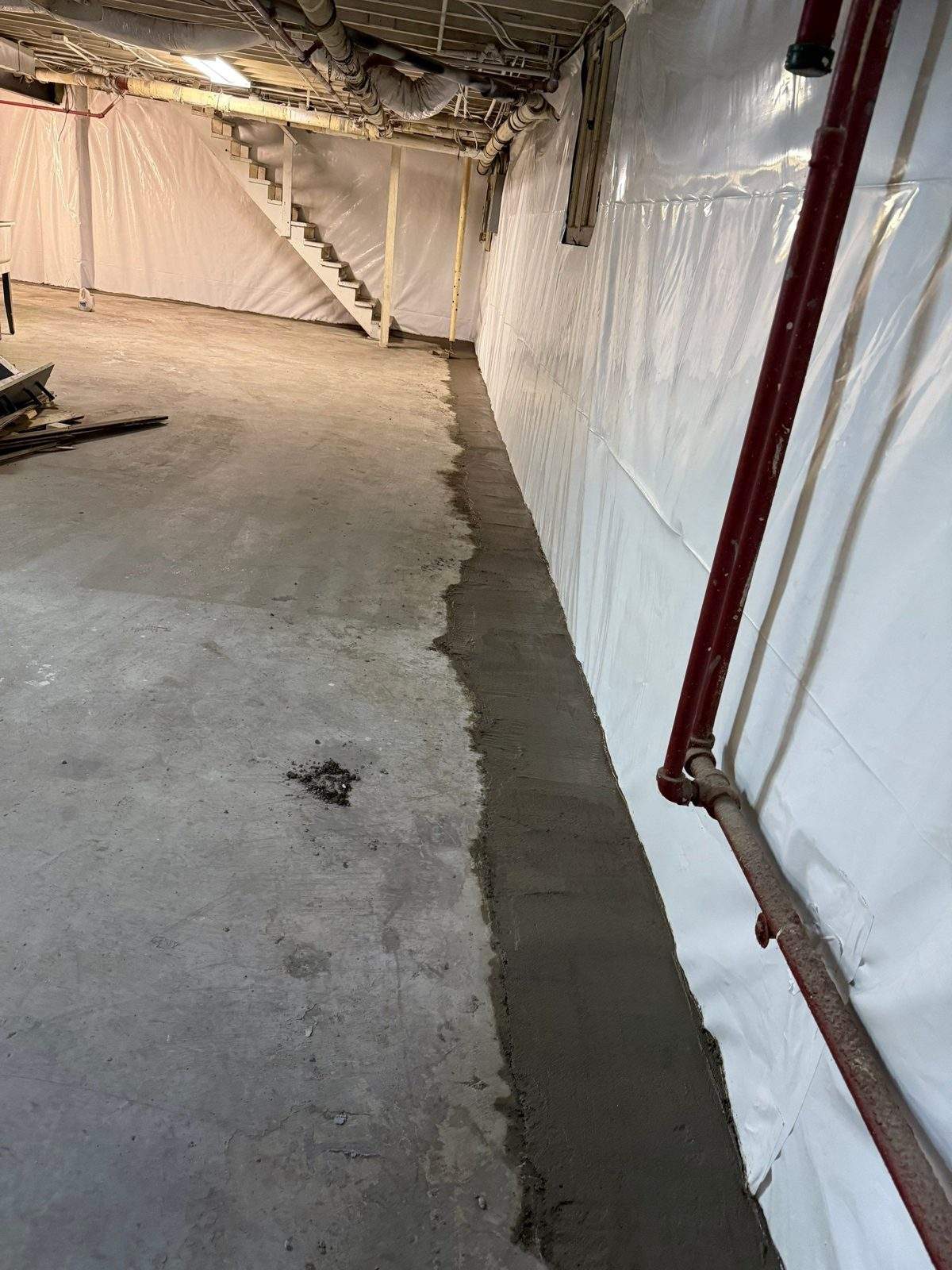
A Full Interior Approach
Basement Waterproofing That Moves the Water Out
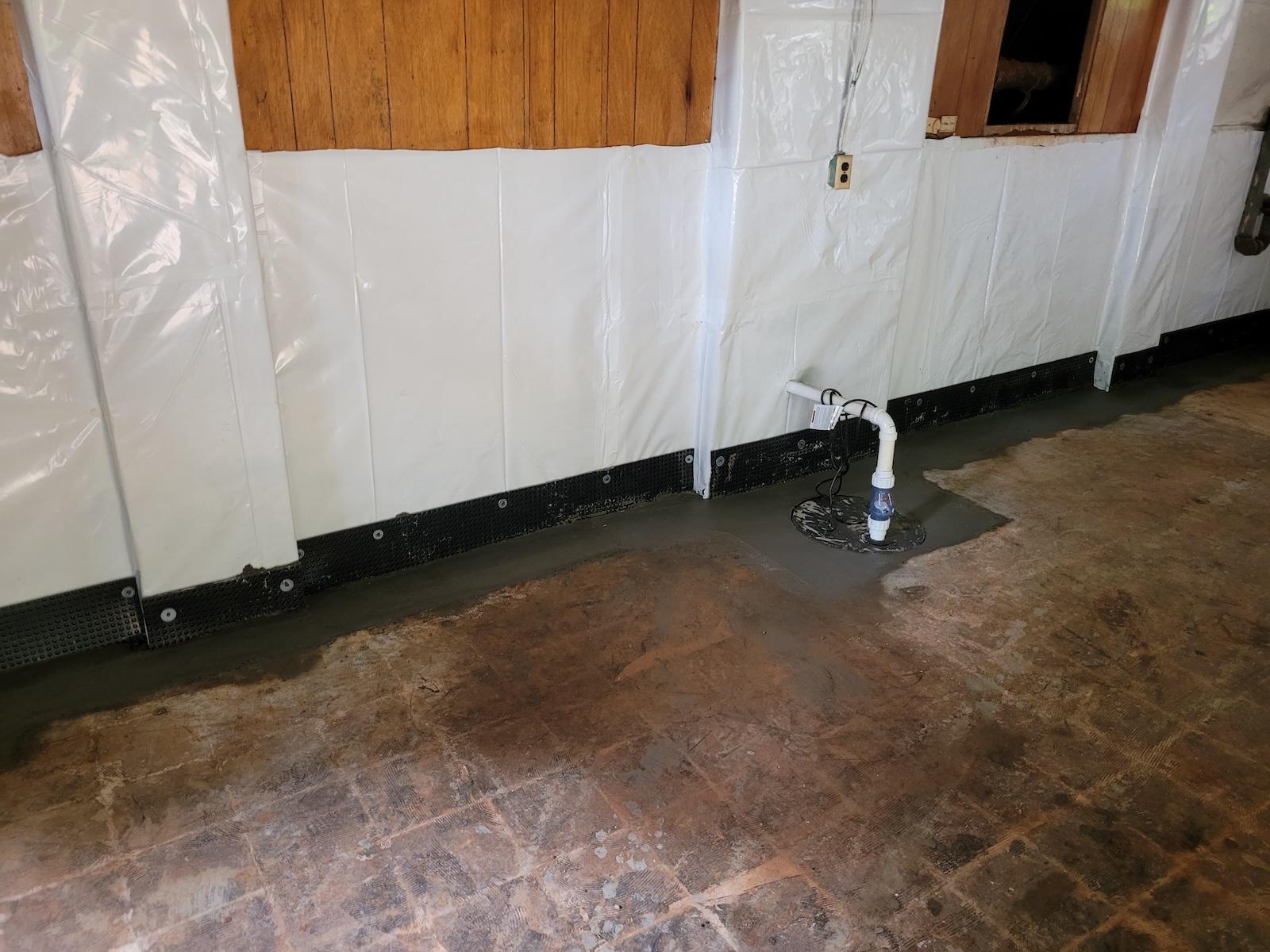
Water on the floor. Damp walls. A musty smell that lingers even through the dry months. Those are signs the water is finding its way in, and it won’t stop on its own. We install an interior drain that collects the water as it comes in and a pump that sends it back outside, built to help prevent repeat leaks. No coatings, no torn-up yard.
The Basement Medic Difference
Why Homeowners Call Basement Medic
We're Not Tied to One Product
A lot of companies sell the same patented drain on every job. We recommend what your basement actually needs and nothing it doesn't.
We Protect the Foundation Your House Sits On
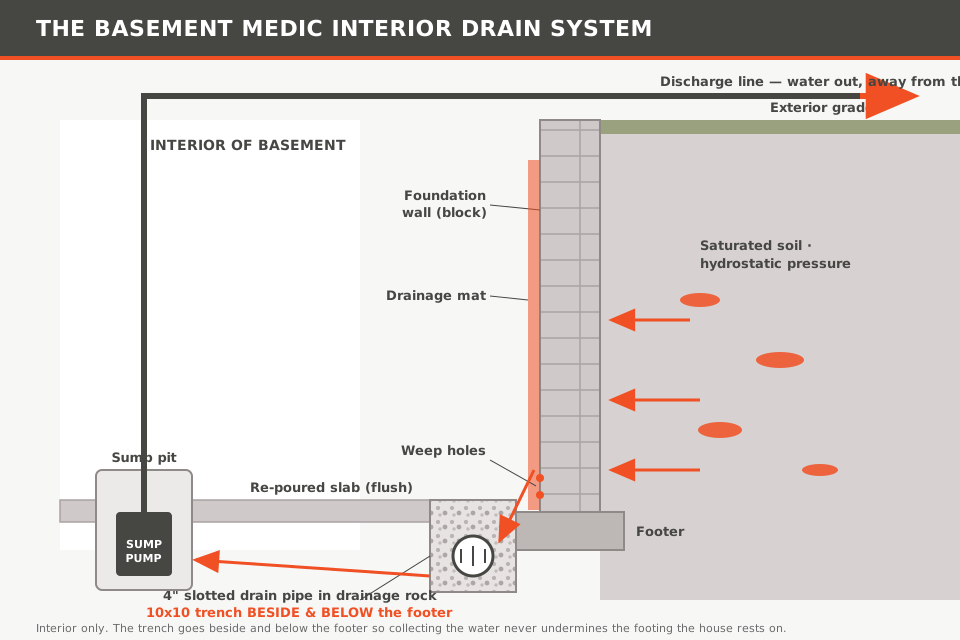
Our drain goes in beside and below the footing, not on top of it. That placement is designed to keep the water it collects from undermining what holds up your home.
Every Basement Is Different
No two are alike. Some need two walls treated, some all four, some just a pump. We diagnose first, then build the fix around your home.
We Handle the Damp Air, Too
Water on the floor is only half of it. A dehumidifier helps with the heavy summer humidity and musty smell.
Signs to Watch For
When a Wet Basement Stops Being Normal
A basement should be dry. If you see any of these, the water has a path in and it is worth a look.
- Water on the floor after a heavy rain, usually tracing back to one wall.
- A white chalky crust (efflorescence) on block or poured walls — the mineral fingerprint of water moving through the wall.
- Paint or sealer on the block bubbling, flaking, or showing iridescent water lines.
- Damp or darkened concrete along the cove joint where the floor meets the wall.
- A musty, earthy smell that never fully clears between storms.
- Mold on stored boxes, baseboards, or the bottom edge of drywall in a finished basement.
Why Your Basement Is Wet
The Clay Holds the Water Against the Wall
A wet basement is a drainage problem first. The usual sources are poor grading, short gutters, wall cracks, condensation, and the big one — hydrostatic pressure. Groundwater saturates the soil around the foundation. The weight of that standing water presses toward the dry side of the wall, which is your basement. After a heavy August rain you can hear it find the seam and trickle behind the block.
Water enters through mortar joints, cracks, and the cove joint where the floor meets the wall, then stands, rises into the framing, and leaves the whole room damp underfoot with that musty, earthy smell.
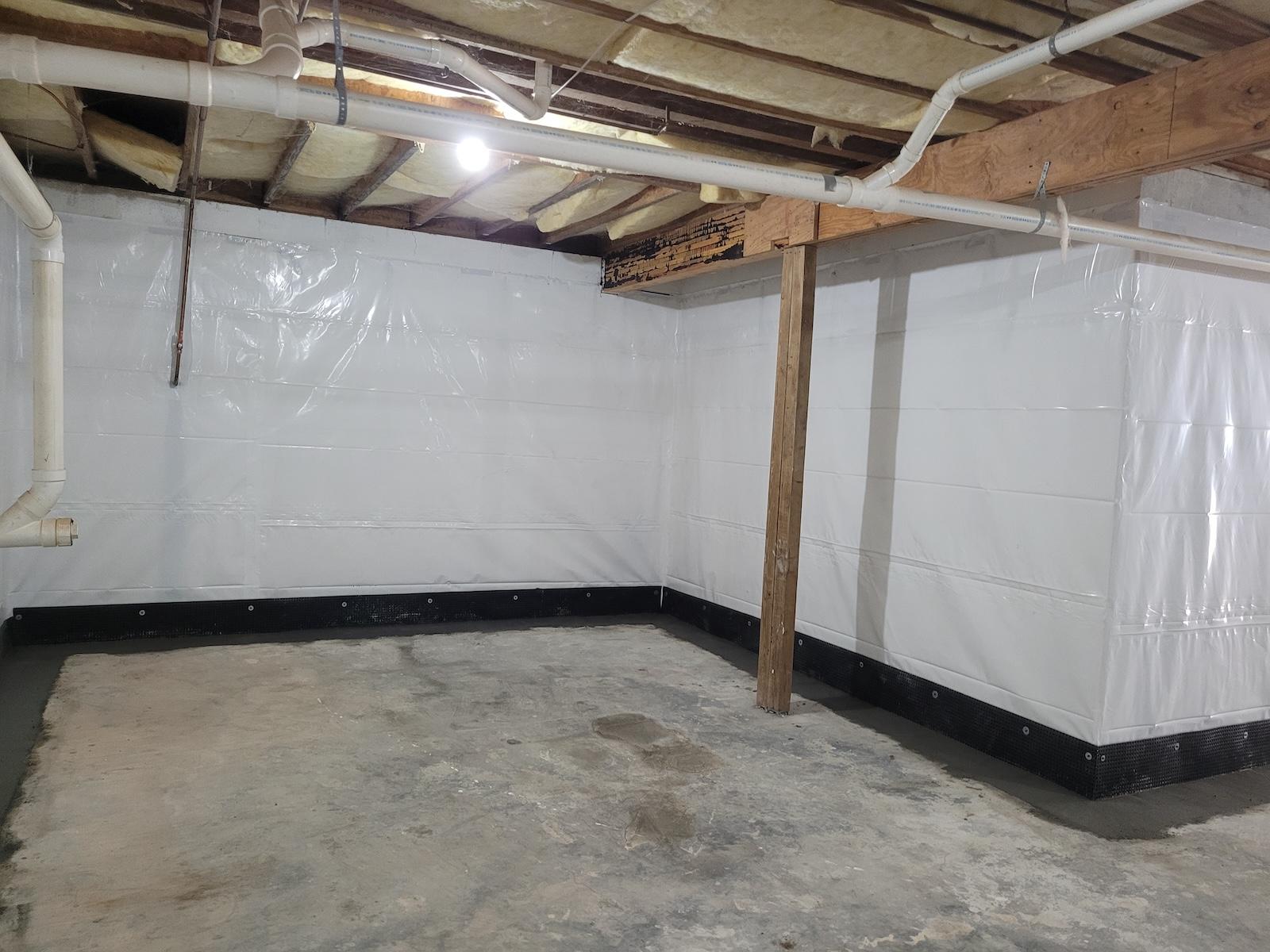
The Solution
Collect the Water at the Footer, Pump It Outside.
An interior drain trenched beside or below the footer collects the water as it comes in and carries it to a sump, and the pump sends it outside. Here is the interior solution we build.
1. Open the floor beside the footer
2. Slotted pipe in drainage rock
3. Drain the wall
4. Re-concrete flush, pitch to the sump
See our pages on the parts that carry the load: basement drains and sump pumps.
The Part Most Companies Skip
A Dry Floor Isn’t a Dry Basement
Water on the floor is only half the problem. The air is the other half. Summer humidity runs 70 to 90 percent across both metros, peaking in July, and a below-grade room pulls that damp air in and holds it. The cold concrete sweats. Vapor condenses on every cool surface, and you get the musty smell and eventually the mold even when the floor reads dry.
Block and concrete are porous, so they give off vapor all day. That is why you feel the air change the moment you reach the bottom step. A vapor barrier across the walls helps block the ground moisture, and a sized dehumidifier draining to the sump helps hold the humidity down through the year. Together they help protect a finished lower level through August, not only the morning after a storm.
Basement Waterproofing FAQ
Questions Homeowners Ask
How much does basement waterproofing cost?
Interior basement waterproofing generally runs $3,000 to $30,000, with most jobs landing in the $6,000 to $12,000 range. The price tracks the linear footage of wall you have to drain, how deep the footer sits, how many sumps the basement needs, and how hard it is to move equipment in and out. A short run on one wall is a small job. A full perimeter drain in a finished basement, slab opened and re-poured, is a bigger one. We do not quote a basement we have not seen — every basement is custom-priced after a free inspection.
Is interior or exterior basement waterproofing better?
For most homes, interior is the practical choice. Exterior work means excavating the grade around the house, and tight lots rarely leave room between garages, landscaping, and the neighbor. An interior subslab drain does the same job from inside, collects the water beside and below the footer, and leaves your yard untouched. We are interior-only by design.
Will paint or a sealer waterproof my basement wall?
Not on its own. A coating on the inside face fights the water pressure head-on and loses. Water finds the next pinhole and lifts it within a season. A coating is a finish, not a drainage solution.
Do you fix the musty smell, or just the leak?
Both. Many basements carry a humidity problem on top of a leak. We add a vapor barrier and a sized dehumidifier to help hold the humidity down through the year, not only after the drain goes in.
How long does the work take, and can I stay in my home?
Most average basements are a two-to-four-day job. A large basement with 200-plus feet of wall to drain can run five or six days. You can almost always stay in the home while we work — the job is contained to the basement and we clean up behind us. We give you the timeline on the inspection, before anything starts.
Stop Chasing the Leak. Catch the Water.
A free Basement Medic inspection shows you exactly where the water gets in and what it takes to stop it. No patented system, no yard torn up.